
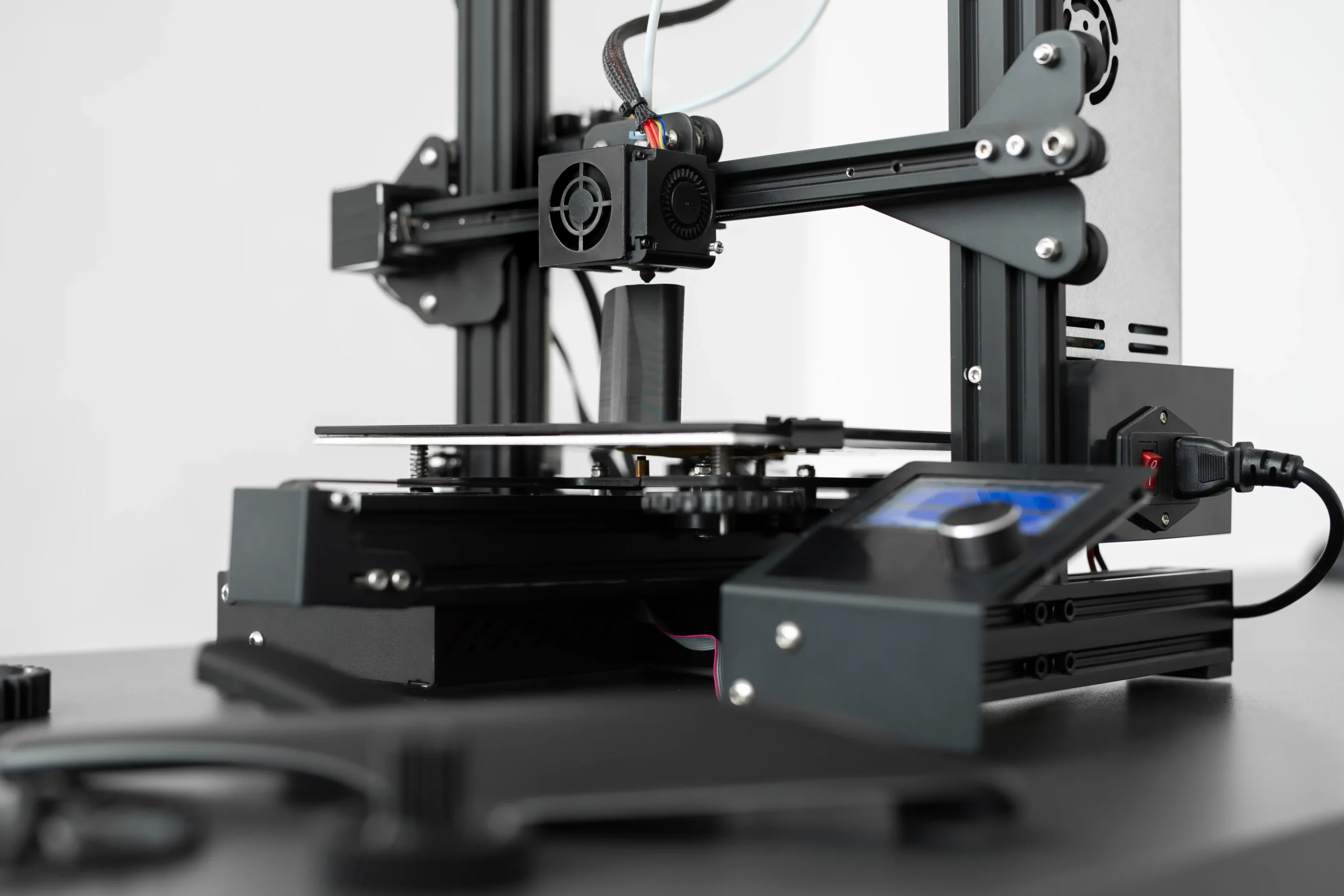

Police found printed weapon parts and extremist material at an east London flat following a counter-terrorism investigation
A man who attempted to manufacture 3D-printed firearms at his east London flat has been jailed for a total of 15 years following a counter-terrorism prosecution.
Robert Adamski, 29, was sentenced after police discovered he had begun printing parts for a semi-automatic weapon at his home in Leyton. Officers found that Adamski had already printed part of a 9mm calibre semi-automatic rifle when his property was searched in July 2024.
Police also uncovered components of another 3D-printed firearm, identified as a Harlot point 22 long rifle single-shot pistol. Although the weapon was incomplete at the time of the search, investigators found evidence that Adamski had been searching online for the missing parts required to make it operational.
A firearms expert later completed the assembly of the weapon, and testing confirmed that it was capable of discharging a bullet.
During the search, officers found material linked to extreme right-wing ideology at the flat, including an ‘SS’ flag and images of Adolf Hitler. Subsequent examination of Adamski’s mobile phone and laptop revealed extensive online searches related to 3D-printed guns and instructions on how to make them.
Investigators also discovered shared documents on a Telegram group of which Adamski was an administrator. The digital evidence showed that Adamski had actively sought to manufacture a firearm using a digital manual found on his computer and software stored on an SD card connected to the 3D printer.
Prosecutors argued that the manual could assist in the commission or preparation of terrorist acts. Further analysis of Adamski’s online activity revealed searches and references linked to known extremists, which the prosecution said demonstrated ideological motivation.
The court heard that Adamski had disseminated terrorist publications via a Telegram account he created and operated. Prosecutors showed that this material encouraged others to commit acts of terrorism and provided instructions to assist in carrying out such acts. The material met the legal definition of terrorist publications.
The prosecution also established that by posting this content, Adamski had provided a service enabling others to access and be influenced by extremist material.
On 16 October 2025, following a two-week trial at Woolwich Crown Court, Adamski was convicted of four counts of disseminating terrorist publications and one count of possessing a document for terrorist purposes. He had previously pleaded guilty to two counts of possessing a prohibited firearm.
On 28 November 2025, at the same court, Adamski was sentenced to 15 years’ imprisonment with a two-year extended licence period.
The prosecution followed an investigation by the Metropolitan Police’s Counter Terrorism Command. Prosecutors said the case demonstrated the risks posed by the misuse of 3D-printing technology to public safety and the justice system’s response to emerging threats.