
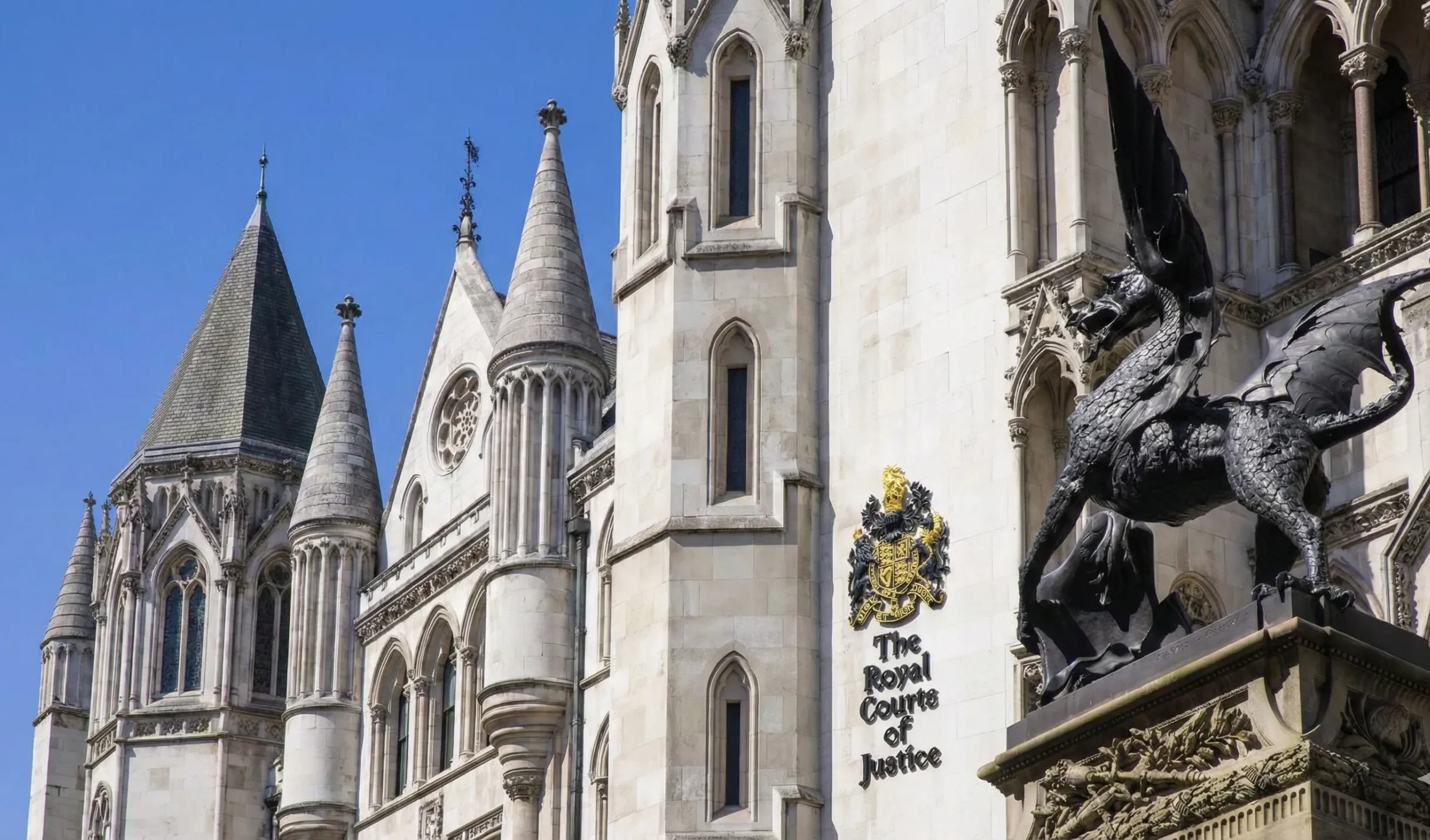


High Court sets aside SRA backed ruling, finding legal errors and unfairness in misconduct case
The High Court has allowed an appeal by solicitor Ashley Hurst, overturning a disciplinary decision that had found him guilty of professional misconduct over correspondence sent during a high-profile defamation dispute.
In a judgment handed down on 20 January 2026, Mrs Justice Collins Rice DBE CB ruled that the decision of the Solicitors Disciplinary Tribunal was flawed by errors of law, inadequate reasoning and unfairness. The Tribunal’s findings, which had resulted in a £50,000 fine and a £260,000 costs order, were set aside in full.
The case arose from events in July 2022, when Mr Hurst, a partner at Osborne Clarke LLP, acted for the then Chancellor of the Exchequer, Nadhim Zahawi, in relation to public allegations that Mr Zahawi had lied about his tax affairs. Mr Hurst sent an email to tax lawyer and journalist Dan Neidle, marked “Confidential & Without Prejudice”, challenging the allegation and inviting its retraction.
Following Mr Neidle’s publication of the correspondence, the Solicitors Regulation Authority brought disciplinary proceedings, alleging that Mr Hurst had improperly attempted to restrict Mr Neidle’s right to publish the email and had acted without integrity. The Tribunal upheld that allegation in respect of the email, though it rejected a similar allegation concerning a later open letter.
On appeal, the High Court found that the Tribunal had taken a problematic starting point by focusing on an assumed “right to publish”, rather than on whether Mr Hurst’s conduct breached specific professional standards. The judge held that the Tribunal failed to address the central question of whether Mr Hurst’s assertions of confidentiality and “without prejudice” status were at least properly arguable in law.
Mrs Justice Collins Rice concluded that the email clearly identified a recognisable legal dispute and proposed a non-litigious resolution, namely the retraction of an allegation of lying. On that basis, it was at least arguable that the correspondence attracted “without prejudice” protection and confidentiality. The Tribunal’s contrary findings were not adequately explained and were reached through misdirection.
The judgment was also critical of the Tribunal’s reasoning and tone. The court held that findings suggesting Mr Hurst had “fabricated” legal obligations or deliberately misled a third party amounted to serious allegations of bad faith, which were not supported by clear analysis or evidence.
Allowing the appeal, the court set aside the Tribunal’s decision and sanctions. The parties were invited to make further submissions on the consequences of the ruling.
The judgment is expected to be closely read by the legal profession, particularly in the context of ongoing debate about regulatory scrutiny of pre-action correspondence and allegations of oppressive litigation conduct.