


Review examines concerns over claimants receiving private care awards but using NHS services
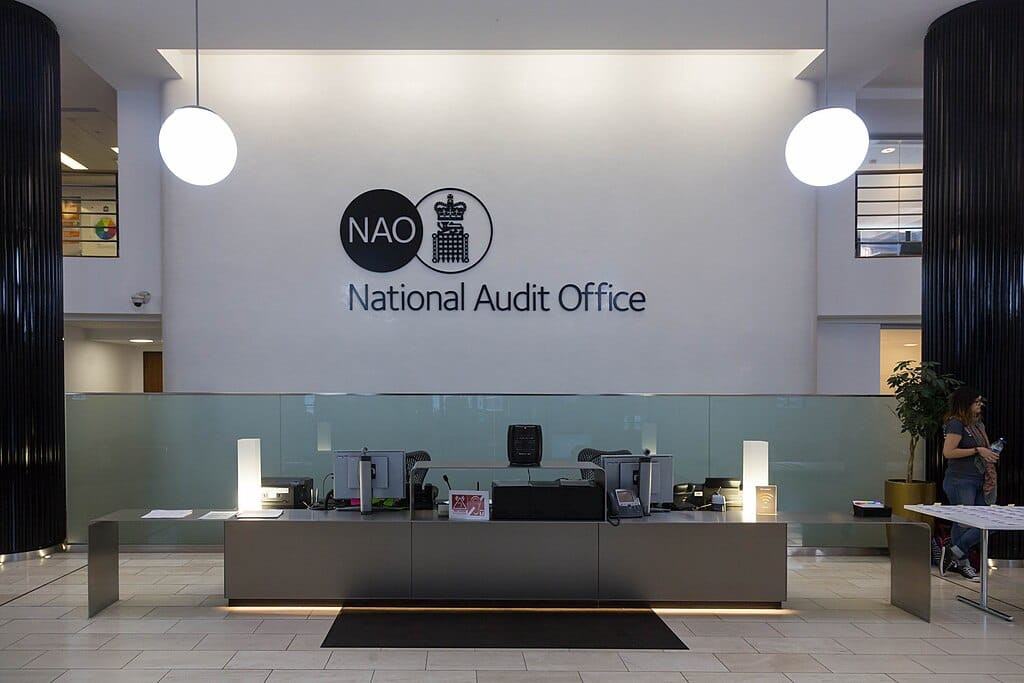
Parliament is examining whether some clinical negligence claimants are able to benefit twice from compensation payments for care, following concerns raised by the National Audit Office. The issue has become part of an ongoing review of rising clinical negligence costs being carried out by David Lock KC.
The National Audit Office recently reported that some claimants who receive statutory funding for private care as part of their damages may still use free NHS services and retain the money. At a session of the Public Accounts Committee, health officials confirmed that this matter is being examined alongside other cost related concerns within the review.
Helen Vernon, the chief executive of NHS Resolution, told the committee that private care costs represent a major factor in high-value claims. She said she did not wish to influence policy decisions but noted that other jurisdictions have reduced double recovery through specific limits. She explained that in Australia, which operates a form of tort system, caps have been placed on average care costs, care rates and what is regarded as reasonable. Vernon added that caps also apply to loss of earnings, which is aligned to average income rather than individual family circumstances.
Embed from Getty Images
She also referenced Scandinavian systems that operate an avoidable harm model. In those countries compensation for care is provided only as a top up to what is already available through state services. This avoids duplication and reduces damages because payments only cover needs that cannot be met by existing provisions.
The National Audit Office report recommended that the Department of Health and Social Care should consider reviewing patient records to understand the extent to which claimants have used NHS and social care services for matters included within compensation packages. Vernon said that on some occasions, NHS Resolution has negotiated a reverse indemnity so that claimants who use state-funded services receive a deduction in annual payment awards. She noted however, that the organisation cannot routinely request information about how money is spent or whether state services are being accessed. She said that mechanisms might be created to record this more accurately but at present such measures do not exist.
The Lock review is expected to consider other factors, including concerns that claimant legal costs in lower value cases may be disproportionate. For claims settling at 25,000 pounds or less in 2024 and 2025, claimant costs totalled 143 million pounds out of a total of 183 million pounds. This equated to lawyers receiving 3 pounds and 70 pence in costs for every pound that claimants received in compensation.
The Medical Defence Union told the committee that legal costs frequently exceed damages in lower-value cases. It highlighted one claim in which the claimant received 1,400 pounds while legal fees totalled 60,000 pounds.
The Lock review may revisit whether fixed costs should apply to these cases. The Public Accounts Committee has indicated that it is open to significant reform. Its chair, Sir Geoffrey Clifton Brown, criticised situations in which legal fees reach 100,000 pounds on claims worth 25,000 pounds. He said such outcomes are unsatisfactory and suggested that some form of compulsory dispute resolution process may be required for low-value claims.