
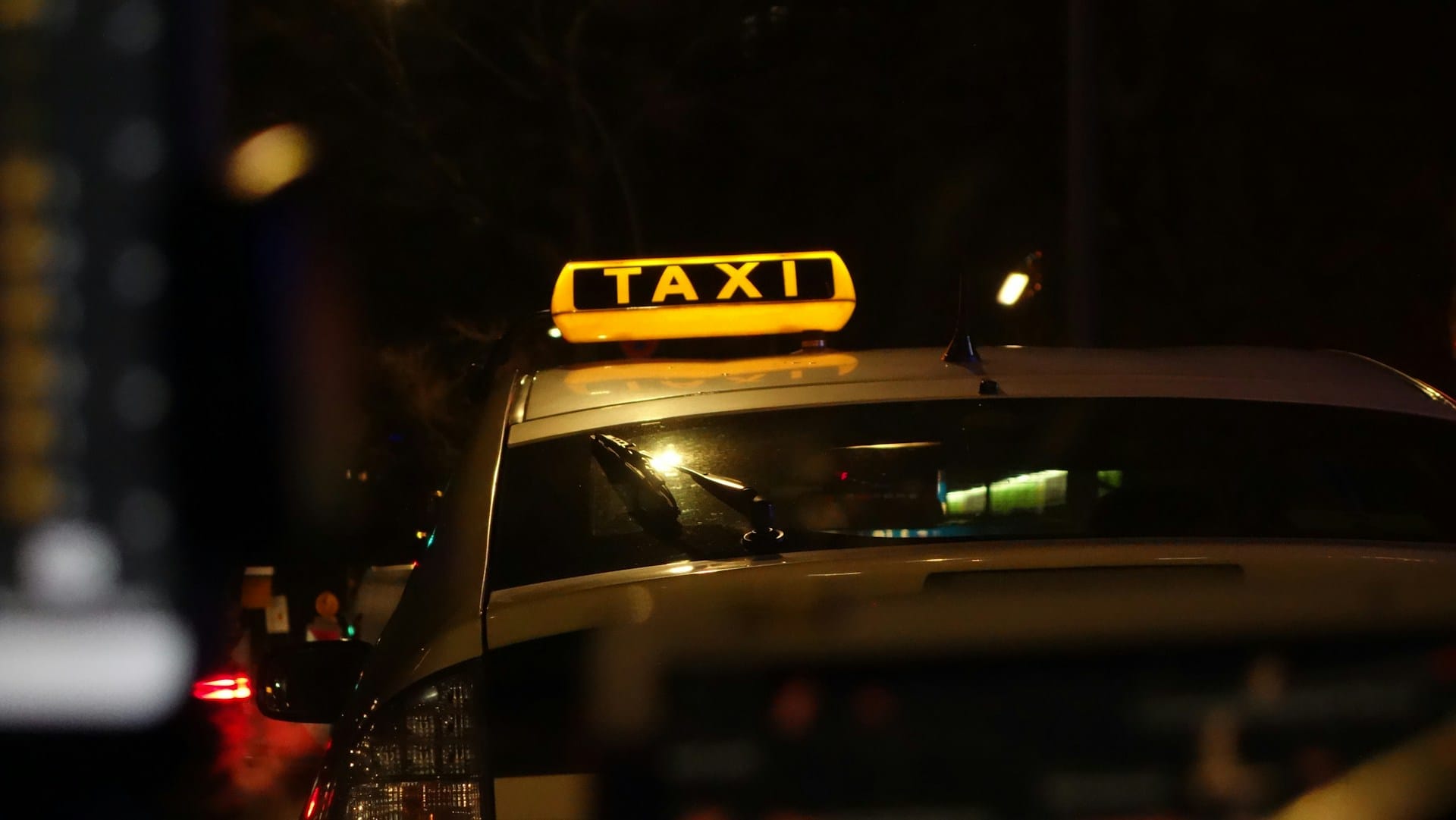

London set to host Europe’s first driverless taxis in 2026, but lawyers urge caution
London is on course to become the first city in Europe to allow fully driverless taxis on its roads, but lawyers are warning that critical questions over safety, liability and data governance remain unresolved.
A new generation of vehicles, fitted with prominent rooftop sensors and cameras, is already appearing on London streets. By 2026, two companies — Wayve, a UK-based start-up, and Waymo, the autonomous driving subsidiary of Google parent company Alphabet — plan to begin operating driverless electric taxis in the capital. Initial trials, currently underway, include human “safety drivers” monitoring from behind the wheel.
The vehicles use laser-based sensors and machine-learning technology to interpret traffic, weather and road conditions in real time. Advocates say this combination will make roads safer and improve accessibility for people unable to drive or use public transport.
Tekedra Mawakana, Waymo’s chief executive, said during the company’s London announcement earlier this year: “Waymo is making roads safer and transportation more accessible where we operate. We’ve demonstrated how to responsibly scale fully autonomous ride-hailing, and we can’t wait to expand the benefits of our technology to the United Kingdom.”
Embed from Getty Images
Waymo reports that its vehicles have driven more than 100 million fully autonomous miles on US public roads and completed over 10 million paid rides.
However, lawyers specialising in technology and transport law are sceptical that the UK’s legal and regulatory framework will be ready by next year. Jonathan Smart, partner at international firm Shoosmiths, described the proposed 2026 rollout as “highly ambitious”, suggesting that “2027 is more realistic”. His firm recently received a Self-Driving Industry Award for its work across the “connected and automated mobility” sector.
Smart said: “A robust legal foundation is essential for driverless vehicles to function safely, but several gaps still need to be filled. It’s going to take some real learning for automated vehicles to cope with London.”
The Automated Vehicles Act 2024 (AVA), passed under the previous government, provides the core legal framework. It builds on the earlier Automated and Electric Vehicles Act 2018, defining key distinctions such as “user in charge” — where a human can take control — and “no user in charge”, meaning fully autonomous operation. Under the latter, the licensed operator would carry responsibility for safety and compliance, rather than any passenger in the car.
The act also introduces new offences, including supplying false safety information, and was shaped by several years of work from the Law Commission of England and Wales, which began reviewing automated vehicle law in 2018 and reported in 2022.
Yet, Smart noted, “very little is yet in force. It’s the secondary legislation that’s going to put meat on the bones.” He cited outstanding questions over liability and data governance as major hurdles, but added that the new regulations were expected to pass Parliament without major opposition once introduced.
The government has signalled enthusiasm for early deployment, describing autonomous transport as central to its industrial AI strategy. Its implementation plan for the AVA commits to supporting “safe trialling of prototype automated vehicles on our roads” to make the UK a global hub for testing.
Transport for London (TfL) has also issued guidance for companies wishing to run pilot schemes in the city, noting that autonomous vehicles “are not widely understood among the public” and that misinformation remains a challenge.
Despite optimism from industry leaders, scrutiny is likely to be intense. London’s licensed taxi drivers have criticised driverless vehicles as “fairground rides,” and observers warn that any accidents will attract major public attention. Earlier this month, a Miami jury ordered Tesla to pay $240 million in damages after finding the company partially liable for a fatal 2019 crash involving its Autopilot system. Tesla said the technology was being misused and intends to appeal.
Beyond regulation and safety, there remains the practical challenge of adapting driverless technology to London’s congested, unpredictable roads. Smart noted that “Waymo learned its driving on the grid streets of California. It’s going to take some real learning to cope with London